
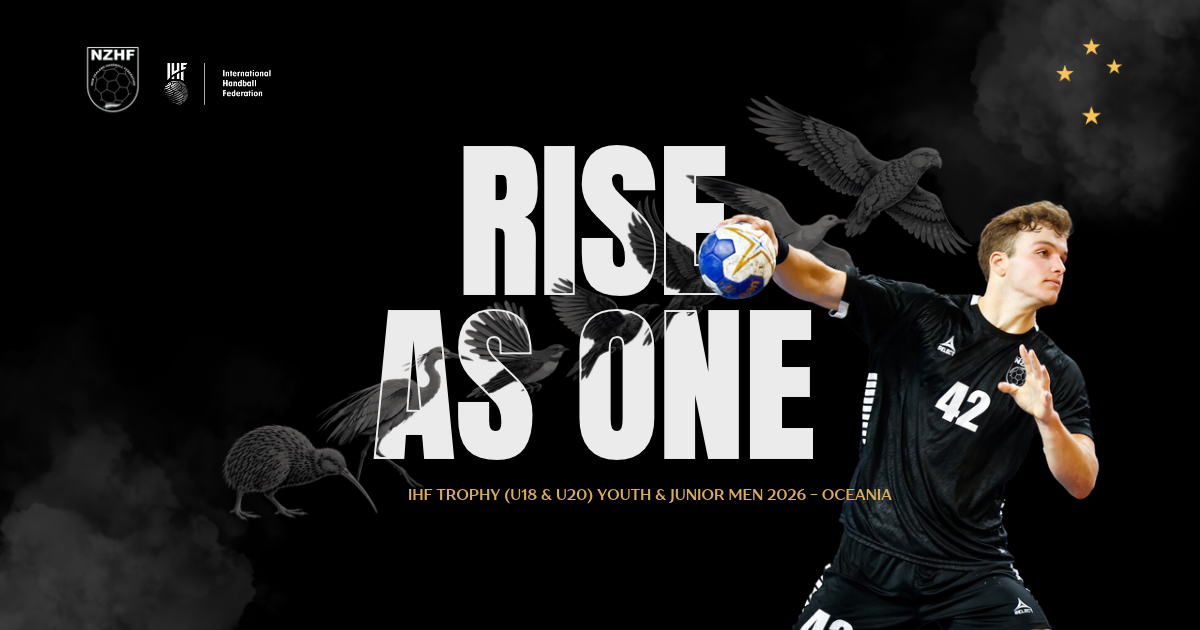
NZ Men's Youth & Junior Handball · Road to the IHF Trophy Oceania 2026
In a couple of weeks, the best young handball players in Oceania will walk into Pulman Arena in Auckland for the IHF Trophy Oceania, 8 to 12 December. For our U18 and U20 boys, this one is different. This time, we play at home.
Before we look ahead to December, we want to take a moment to look back. You can't really understand where this team is going without knowing where it has come from, and why we've built this year the way we have.
Looking back to see ahead
New Zealand youth handball has quietly built a proud record in Oceania:
2018: U18 gold in New Caledonia
2019: 6th at the Intercontinental Phase in Kosovo, competing against the best developing nations in the world
2022: U18 silver and U20 bronze in the Cook Islands
2023: U19 World Championship in Croatia, our first World Championship appearance in 12 years, earned through our 2022 Oceania result
2024: Double silver, U18 and U20, in Tahiti
2026: Home soil. Auckland. December.
Two silvers in Tahiti told us something important. We're close. Really close. But close isn't the goal, and the step from silver to gold is usually the hardest one to take.
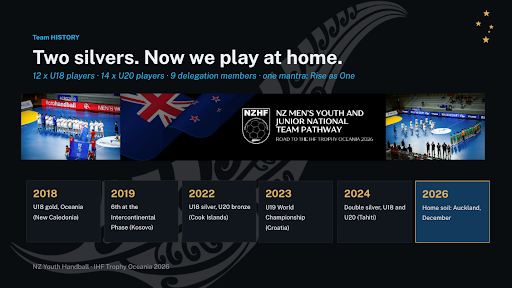
This year's squad brings together 12 players in the U18 team and 14 in the U20 team, backed by a delegation of 9 staff, all pulling in the same direction behind one mantra: Rise as One.
The question that started it all
At the start of the year, the delegation sat down together for a workshop. Instead of jumping straight into training plans, we asked ourselves one big question:
How can we develop the most competitive U18 & U20 teams in Oceania by helping NZ youth and junior handball players access consistent, high-quality coaching and training environments, when they are building their identity and skills as athletes, in order to put New Zealand on the international handball map and win the IHF Trophy?
It's a long question, and that's on purpose. Every part of it matters.
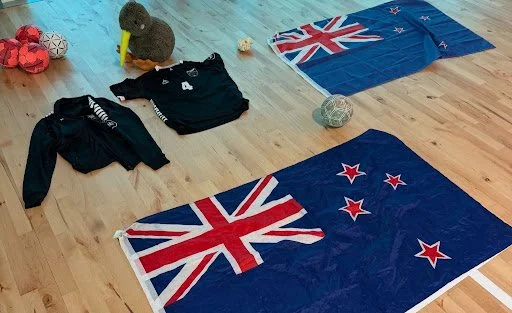
We want young players in every corner of the country to see this team and think: that could be me. We want them to have something real to work towards in their own region, and a clear pathway that helps them grow as athletes and as people, on and off the court.
There's an honest truth in there too. A national team is the tip of something much bigger. The strength of the pool we select from is built week in, week out, in clubs, schools and regional programmes, by the coaches, volunteers and administrators who run them. That local work is where players are found, kept and developed, and it's where the numbers grow.
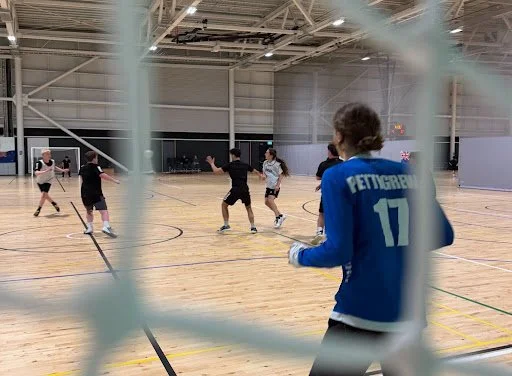
Our job is to make the path visible and the destination worth chasing. The clubs' and regions' job is to grow the players who walk that path. When both sides do their part, everyone wins, and that's exactly the kind of partnership we want to keep building with every region.
How we're getting there
To grow men's high-performance youth & junior handball in New Zealand, we're tackling three big challenges: player commitment, limited funding and a lack of playing opportunities. So we built our 2026 plan around three priorities.
Upskilling & Development. Clear pathways for players and coaches, with structured training camps, selection benchmarks and leadership opportunities. We're also working with the IHF to access tools and resources that lift the standard across the programme.
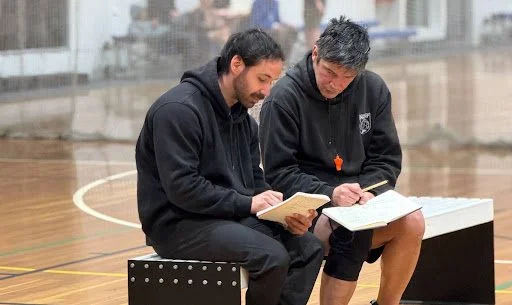
Sponsorship & Funding Growth. Making handball more accessible and reducing the financial pressure on players and families.
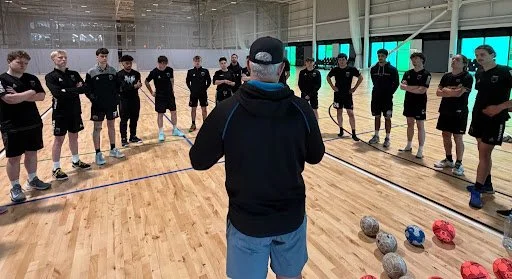
Operational Excellence & Sustainability. Standardising how we run camps, track player progress and plan the season, so the programme is more efficient and easier to sustain.
Values that guide us
Plans only work if people follow through. So from day one we set clear expectations for our players: accountability, teamwork and good habits. Turn up prepared. Do the work when nobody's watching. Look after your teammates. Those three things guide every decision a player makes between camps, and they're a big part of how we select.
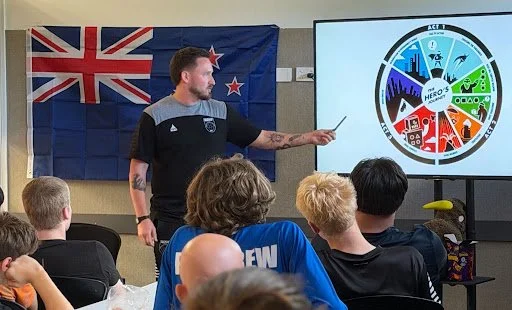
The Hero's Journey and the rope team
To bring Rise as One to life, we leaned on two symbols.
The first is the Hero's Journey. Every player is on their own path: leaving their comfort zone, facing setbacks, learning, and coming back stronger. December isn't the end of that journey. It's a big chapter in it.
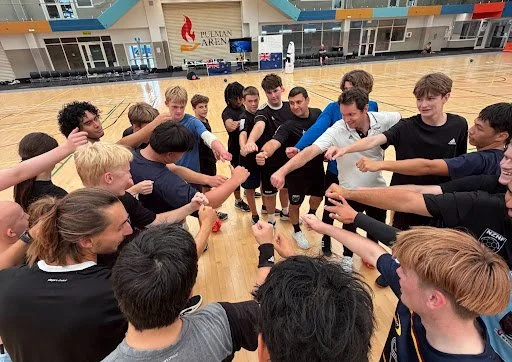
The second is the rope team. Picture a group of climbers on a mountain, all tied to the same rope. Nobody races ahead and nobody gets left behind. The team moves at a pace everyone can hold, and when someone slips, the rope holds them.
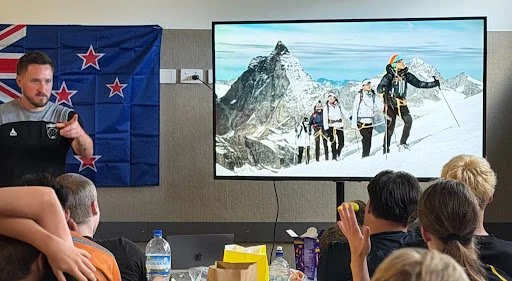
That's the reality of handball in New Zealand. We don't have a massive pool of players or coaches. We can't just pick the best 14 out of a hundred. So we make the most of what we have, and we lean on each other. A team is only as strong as its weakest link, so we choose to turn our gaps into strengths by lifting each other up. That's what Rise as One means.
Taking handball to every region
For the first time in several campaigns, we held a national training camp in each region: Auckland, Wellington, Dunedin and Christchurch. The aim was simple. Wherever you live, the national team should come to you at least once in the year, so a player in Otago or Auckland gets the same chance to train with and be seen by the national coaches as a player in Canterbury & Wellington.
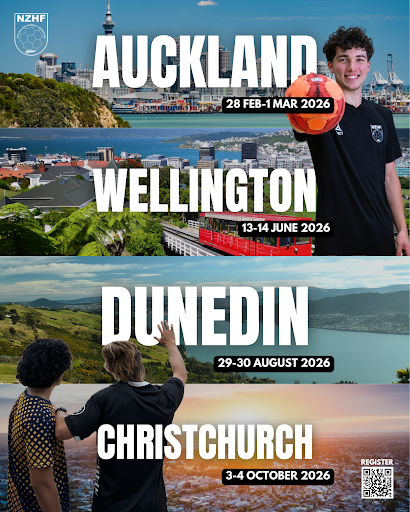
These are high performance camps. They're built to prepare and select players who are ready, or close to ready, for international handball. That's why the pathway works best when clubs and regions identify their most promising players, develop them in their local environments, and put them forward when they're ready to take the next step.
When regions send us players who are prepared for that level, everyone benefits: the player, the region and the national team. It's a shared pathway, and every region has a part to play in it.
The people behind the scenes
This year we also set up a Parents Committee. These parents work hard in the background, shaping our sponsorship approach and reaching out to local businesses to support the squad.
Investing in our coaches
Better players need better coaching, so we looked for ways to develop our coaches too. That search led to a separate IHF pilot, Coach on the Job (C Licence Education NZL), led by IHF Expert Jochen Beppler, where New Zealand coaches earn their IHF C Licence while working on court. More on this project soon, so watch this space.
A year on the road: our five camps
Auckland (28 Feb – 1 Mar): the kick-off. Open to every eligible U18 and U20 player, this was where the campaign began. New faces, old faces, and a first look at what this group could become.
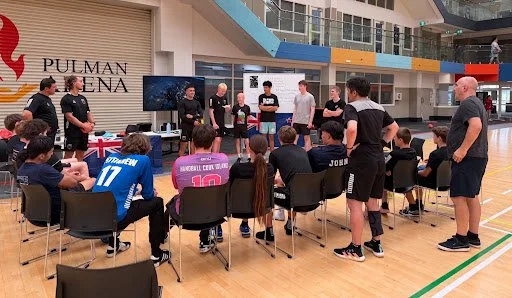
Wellington (13–14 June): forming the team. This is where a group of individuals started to feel like a team. Roles took shape and standards were set.
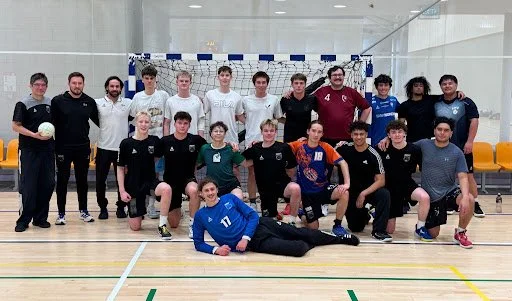
Dunedin (29–30 August): hitting the accelerator. Intensity went up, and so did the expectations. Players started to understand what international handball demands.
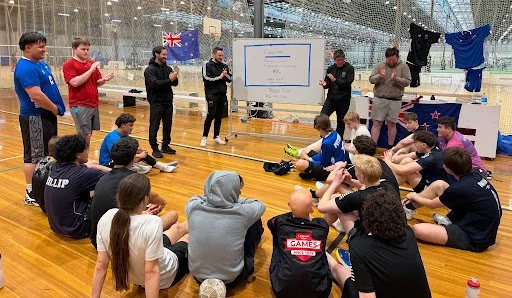
Christchurch (3–4 October): selection. The hardest camp for everyone, players and coaches alike. Selection was based on attitude, commitment and technical ability.
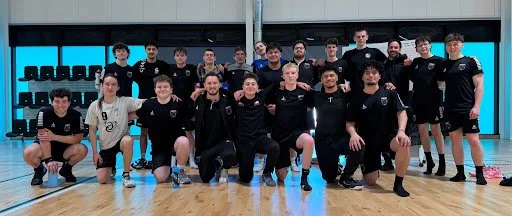
Auckland (5–7 December): the final build. Our last camp, straight into the IHF Trophy.
Between camps, the players have been grinding. Each one has been following a fitness plan created by our coaches, supported by the Coach on the Job programme. Most of that work happens alone, early in the morning or late at night, with nobody watching. That's accountability and good habits in action.
The IHF Trophy Oceania 2026: on home soil
From 8 to 12 December at Pulman Arena in Auckland, New Zealand will take on the best youth and junior teams in Oceania:
U18: Australia, New Caledonia, Tahiti and Fiji
U20: Australia, New Caledonia, Tahiti, Fiji, Kiribati and the Cook Islands
The last time New Zealand hosted the youth and junior men's championship was 2014. Twelve years later, it's back, and our players get to wear the fern in front of their families, friends and clubs.
On home soil, the expectations are high. We know that. But we're ready.
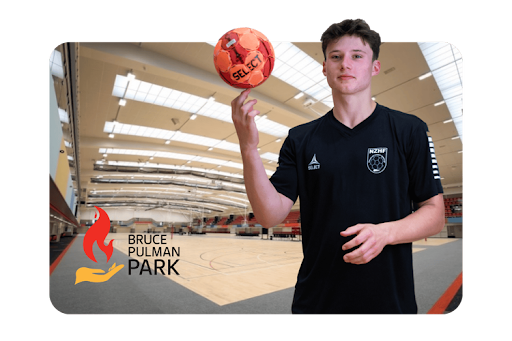
The stakes go beyond a medal. The Oceania winner progresses to the Intercontinental Phase, where continental champions compete for a place at the IHF Youth and Junior World Championships. And for many of our players, this tournament is the bridge to senior national team handball.
Most of all, it's a chance to show everyone how far New Zealand handball has come.
Thank you, from all of us
None of this happens without a lot of people.
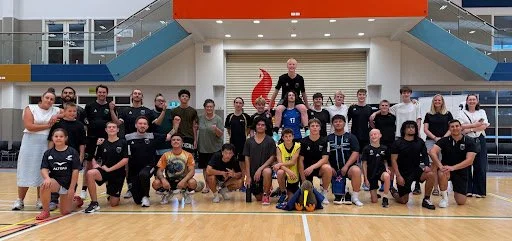
To our delegation: the coaches, goalkeeper coaches, apprentice coach and support staff who've given up weekends, holidays and countless evenings. Thank you.
To our players: thank you for showing up, doing the work, and choosing each other.
To our parents and the Parents Committee: the drives, the flights, the fundraising, the late-night messages. You are the rope that holds this team together.
To our sponsors and supporters: thank you for backing young New Zealanders chasing something big. A special thank you to our Gold sponsor, Henderson Demolition, for investing in this team and helping ease the financial pressure on our players and their families.
And to the clubs, regions and volunteers growing handball around the country: the players on court in December started with you.
Come down to Pulman Arena, 8 to 12 December, and cheer them on. Bring your voice, bring your whānau, and let's show Oceania what it looks like when a team rises as one.
Want to know more or support the campaign? Visit our NZ Youth Handball page, follow the journey on Instagram, or get in touch at youth@handball.org.nz.
Rise as One.
Written by Thomas Schmider, Head of Delegation & Team Manager, NZ Men's Youth & Junior Handball